
Ankle Sprain Treatment
Ankle sprains can slow you down and make everyday movement uncomfortable, especially when pain, swelling or instability don't fully settle. But you don't have to just deal with it.
For proper recovery and a reduced risk of repeat injury, talk to Clear Step Podiatry about sprained ankle treatment at our clinic in Grey Lynn, Auckland.
Signs you need sprained ankle treatment
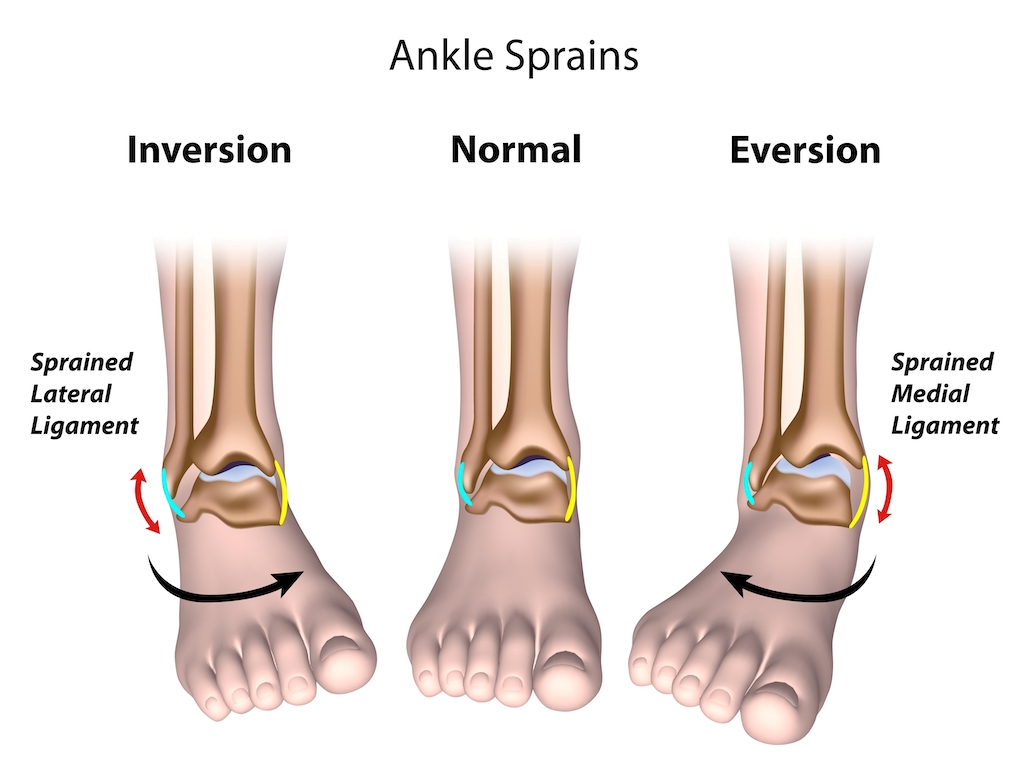
A relatively common injury, ankle sprains can be caused by one wrong step on uneven ground or a missed landing in sports.
The most common ankle sprain occurs on the lateral or outside part of the ankle. When the foot twists, rolls or turns beyond its normal range of motion, a great force is transmitted upon landing. This causes the ligaments to stretch beyond their normal range in an abnormal position.
If you're experiencing the following symptoms, it's time to see a foot and ankle specialist in Auckland:
- Ankle pain, which can be mild to severe
- Swelling and bruising around the ankle
- A popping sound during the injury
- Difficulty moving the ankle
- You can't put any weight on the injured foot
- Instability of the ankle (in severe strains)
As an ACC Registered specialist podiatry clinic, we're perfectly placed to provide a tailored, effective treatment plan following injury.

How is an ankle sprain diagnosed?
Ankle sprains can be diagnosed quickly, and your podiatrist will assess your ankle with a hands-on examination and movement tests.
We never assume an ankle sprain. An X-ray or ultrasound helps us confirm that the ligaments have been torn or sprained. In severe cases, an MRI may be needed to rule out other problems, such as cartilage damage.
Grade of the sprain
Grade 1 sprain: Slight stretching and damage to the fibres (fibrils) of the ligament. Recovery is usually around 1–3 weeks.
Grade 2 sprain: Partial tearing of the ligament is likely when the ankle joint is examined and moves in certain ways to suggest abnormal looseness (laxity) of the ankle joints. Recovery is usually around 3–6 weeks.
Grade 3 sprain: If the podiatrist pulls or pushes on the ankle joint in a certain way and there is gross instability, this suggests a complete tear of the ligament. Recovery can take 8–12 weeks or longer and usually requires a more guided, progressive rehab plan with ongoing monitoring.
Foot and ankle pain treatments, at-home and in-clinic
Surgery isn't required for most ankle sprains. Here are our first-response recommendations and snapshot of what to expect from your ankle sprain treatment:
- In the first 48–72 hours, rest and ice the ankle for 20 minutes every 2–3 hours
- If you can't bear weight, a removable walking boot may be used until you can walk comfortably again
- Your podiatrist will create a rehabilitation programme with strengthening and stability exercises to restore movement, improve balance, and reduce the risk of repeat sprains
- Chronic ankle sprain treatment may include physical therapy, bracing or taping, and orthotics
The good news is that if you can bear weight on the foot, recovery is often quicker.
Book an appointment at Clear Step Podiatry
Ankle sprains and other sports injuries are commonly covered by ACC; we can help you understand and lodge your claim with ease.
To find out more about our ankle sprain treatments or Achilles tendinopathy solutions, check our FAQs or call (09) 801 2211.
For expert ankle sprain care at Auckland's leading specialist destination podiatry clinic, book online today.