
Effective Treatment for Corns and Calluses in Auckland
What are corns and calluses?
Corns and calluses are the hardened areas of skin due to hyperkeratosis, which is caused by pressure. Corns and calluses are so common given the fact that the average person will have walked around the Earth three times in his or her lifetime.
A callus is thick, flat and spread out; on the other hand, a corn tends to be more local, cone-shaped, and most likely surrounded by inflammation. Typically, a corn will be located on a toe and a callus on the ball of the foot.
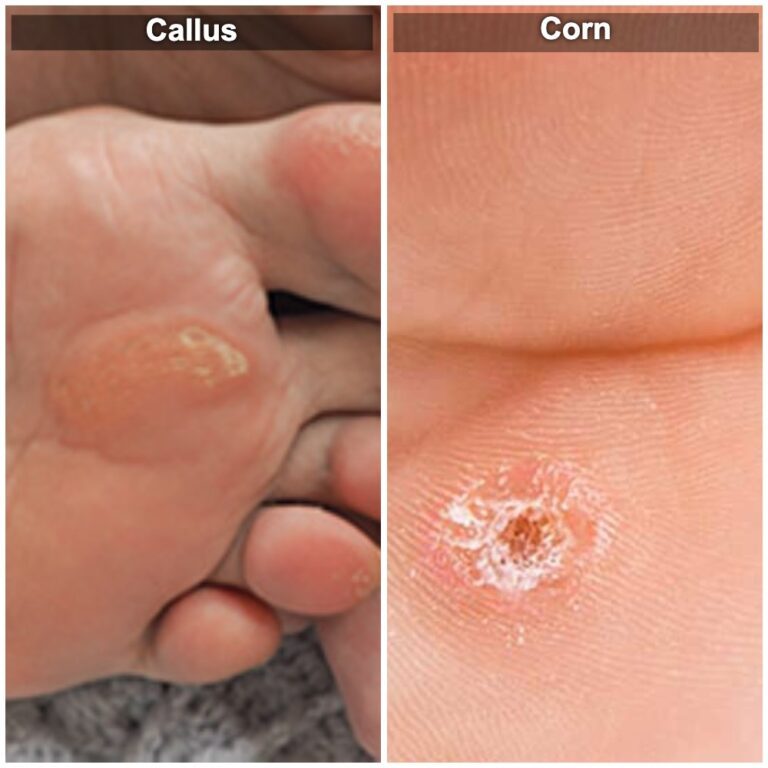
Causes of corns and calluses
When a particular are is constantly irritated the skin hardens and so corns and calluses start to develop to protect the body from further harm. This can happen as a result of friction from the following:
- Not wearing socks
- repetitive movements
- labor-intense occupations
- an abnormal gait
- foot deformities
- sports
- Ill-fitting shoes (especially high heels!)
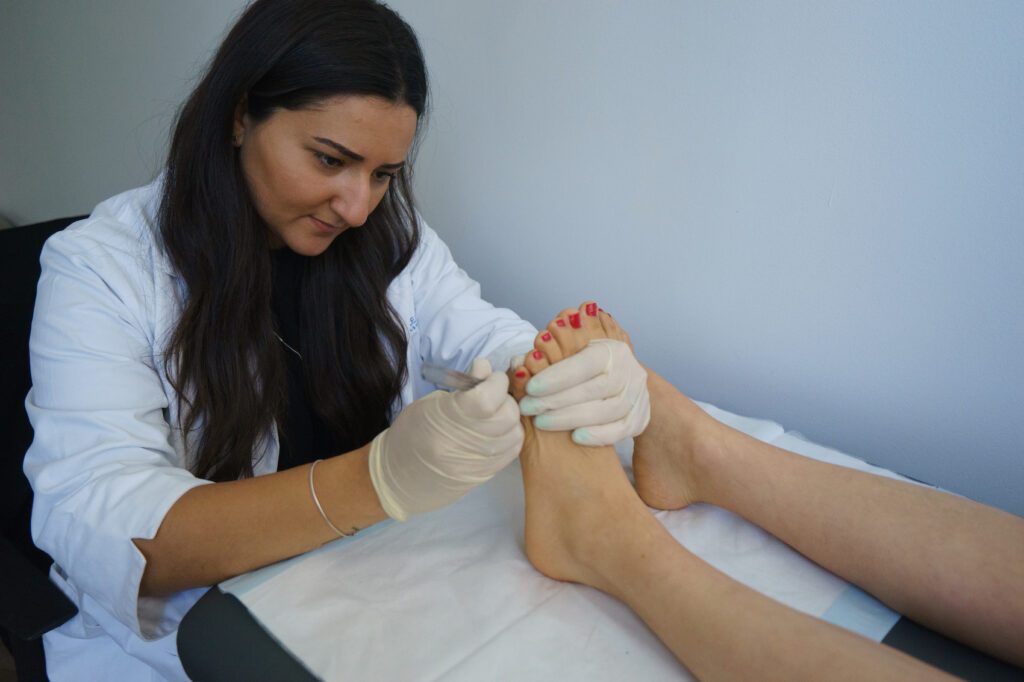
Treating corns and calluses
Corns and calluses are a thickening of the skin that is caused by repeated pressure or rubbing on the same area. They generally develop on the soles of the feet. If not treated, corns and calluses can act like stones in the shoe, putting pressure on the tissue underneath them. This pressure can lead to bruising, infection or an ulcer. Paired with diabetes, these are much more difficult to treat and take a lot more time. Removing the corns and calluses safely by a Podiatrist significantly reduces your risks. The safe removal of corns and calluses is usually done during a debridement using a scalpel and blade. The underlying cause is usually pressure which would link to your gait cycle.
How to care for your Feet
If you have diabetes or another condition that causes poor blood flow, consult your doctor before treating a corn and callus on your own.
Your podiatrist will be able to remove the excess dead skin from both corns and calluses. Also you should.
Wear properly sized and shaped footwear. Wear shoes with increased width and height in the toe area.
Keep your toenails trimmed. Long toenails can make your toes push against the top of your shoe causing friction and increased pressure. Cut toenails straight across. Do not round the corners.
Never try to cut out, shave away or remove corns or calluses with a sharp object.
Related Posts
Common Misconceptions
As long as I cut down the edges of my nails, I will get rid of my ingrown toenails. This is not true. Ingrown toenails are often caused by footwear that crowds the toes together, leaving them little room to move. That is an external force and cutting a notch in it will not help.

What kind of basic care do my feet need?
Just as you usually take care of your body, face and hair, you shouldn’t go a day without taking care your feet.
Check them daily for cuts, sores, swelling, and infected toenails.